The best scented candles, compared
Six home fragrance products, from £12.99 to £63, compared on what each maker discloses, cost per hour, evidence of how they burn and what the science says about burning indoors.
 Our pick
Which one should you buy?
Show me candles that are…
Tap one or more. The ones that don’t qualify fade out, here and in the reviews below.
| Ranked by score | Earl of East#1 · 3.8 | 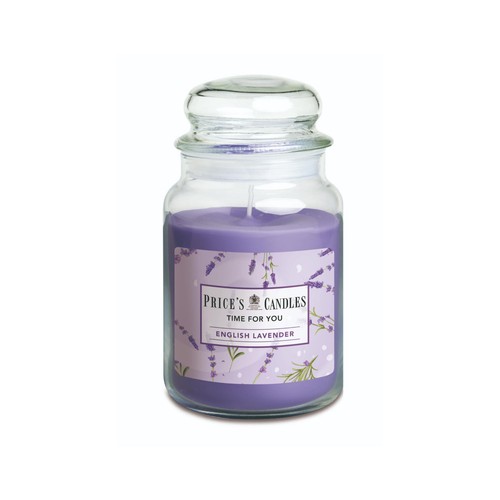 Price's#2 · 3.3 | 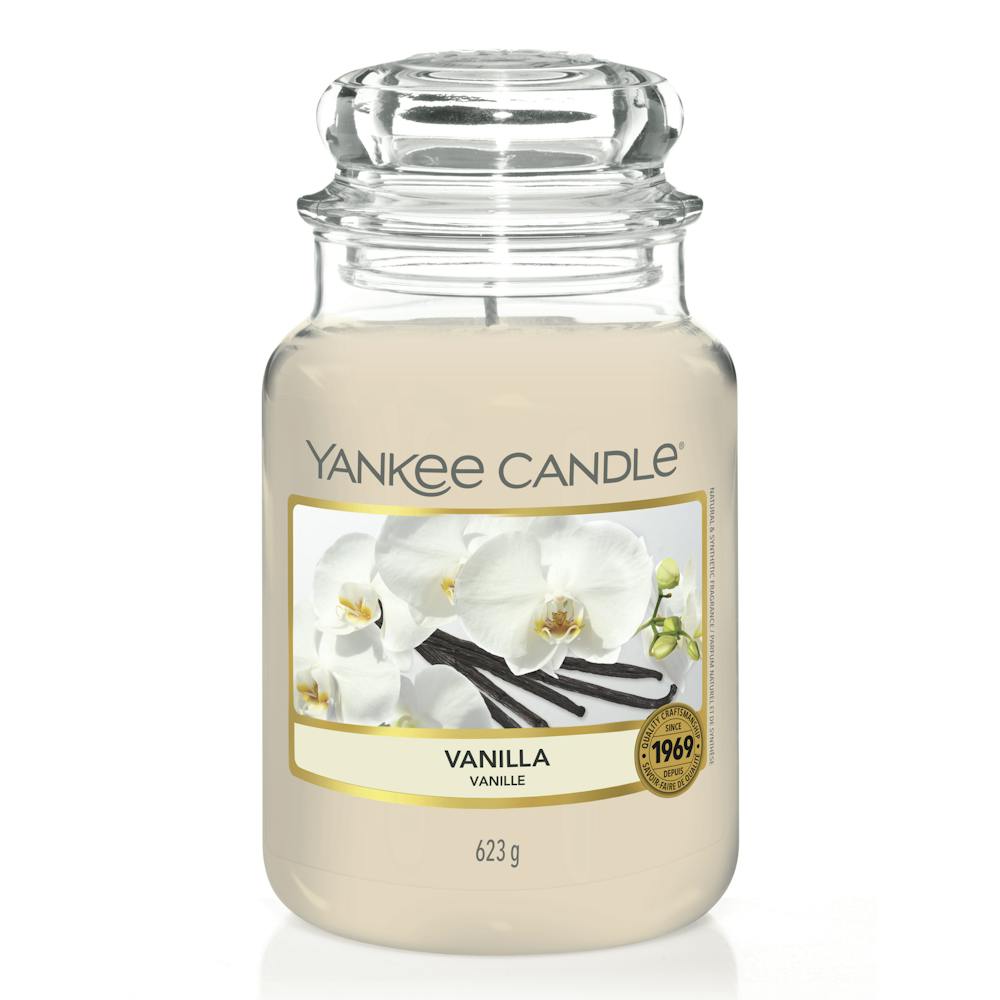 Yankee#3 · 3.2 |  Neom#4 · 3.0 | 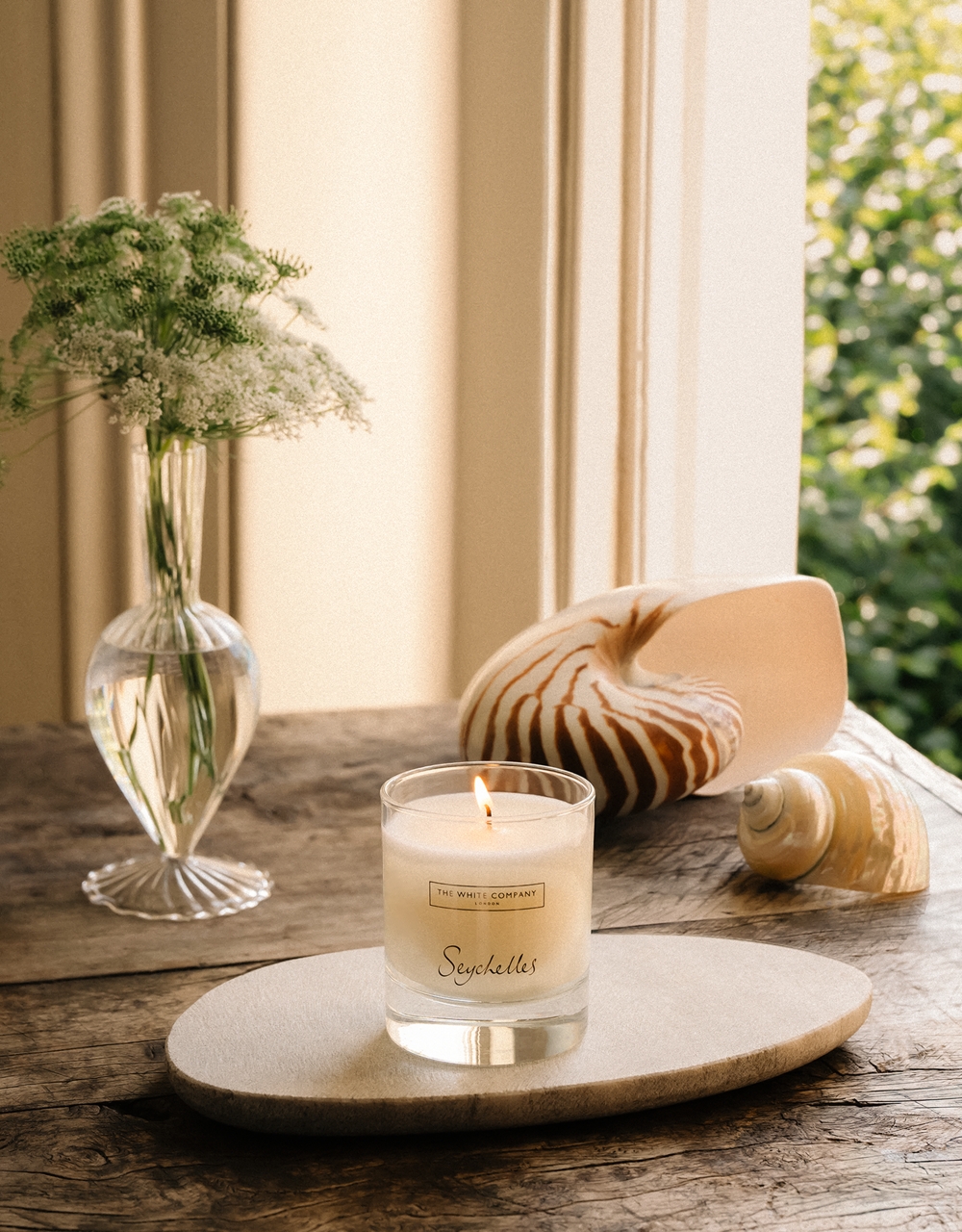 White Co#5 · 2.5 | 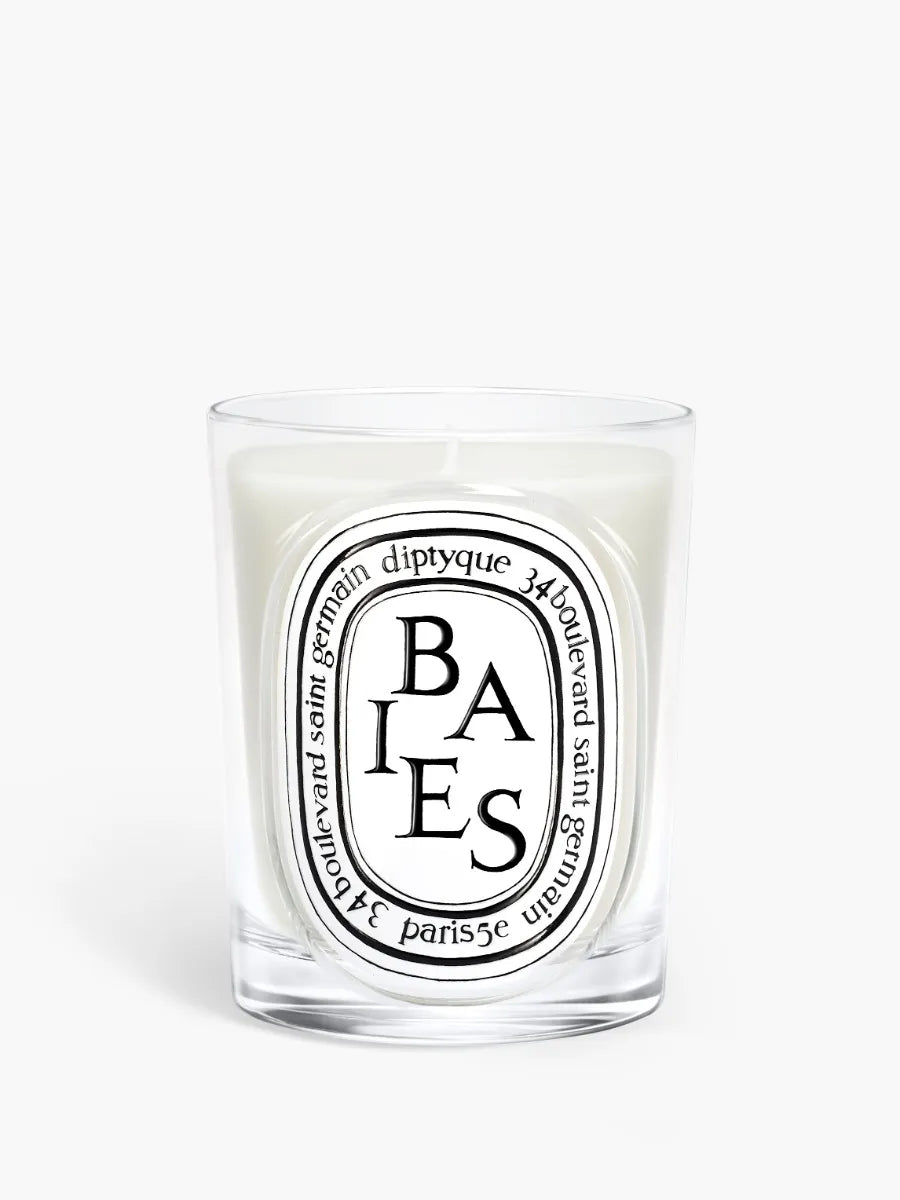 Diptyque#6 · 2.3 |
|---|---|---|---|---|---|---|
| Wax named | ✓ | ✓ | ✓ | ✕Solvent unnamed | ~Retailer only | ✕ |
| Wick material named | ✓ | ✕ | ~"Natural fibres" only | ?Diffuser, no wick | ✕ | ✕ |
| Allergens named on the brand's own page | ~Points to jar label | ✕ | ✓ | ✓ | ✕LookFantastic only | ✕ |
| Nothing burns, so no soot | ✕ | ✕ | ✕ | ✓ | ✕ | ✕ |
| Under 30p an hour to run | ✕ | ✓ | ✓ | ✓If left running | ✕ | ✕ |
| Owner reviews to go on | ✕ | ✕Two, no text | ✓ | ✓ | ✓ | ~Brand-level only |
Good, not so good, and the score
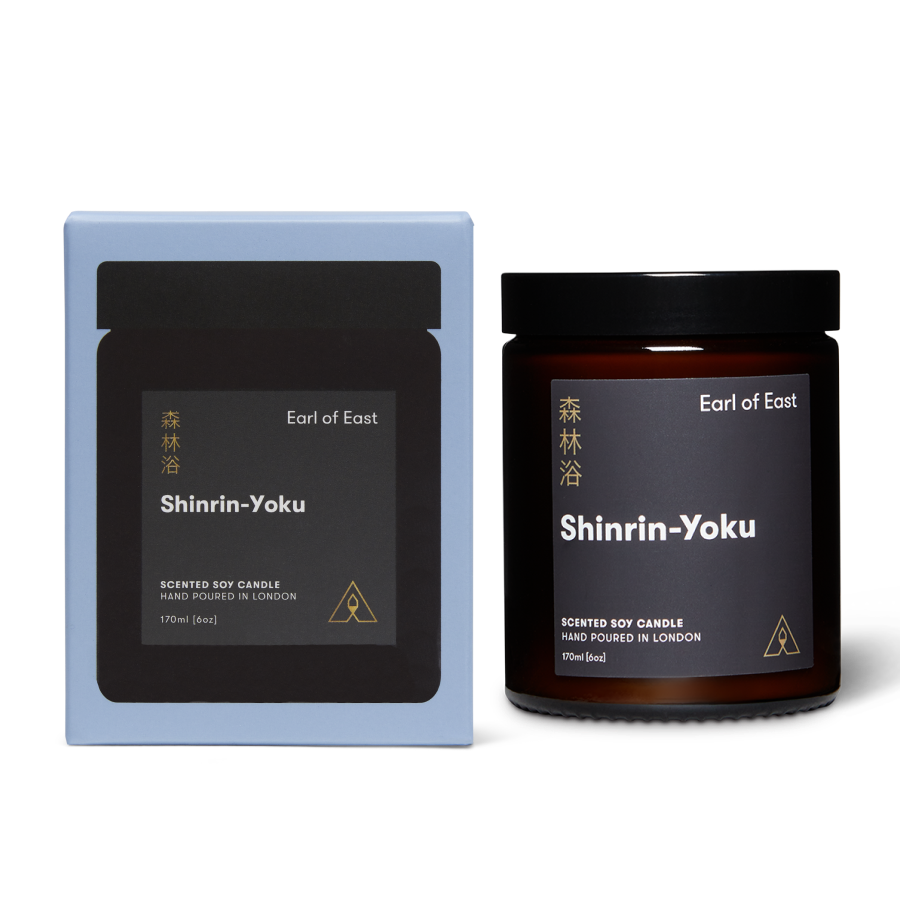
1Earl of East Shinrin-Yoku Scented Candle, 170ml
The only candle here naming its wax, wick fibre and origin, but nobody has reviewed it.
This is the only product in the six that answers all three questions a candle buyer might reasonably ask. What is the wax. What is the wick made of. Where do I find the allergens. Earl of East says soy, non-GMO, grown in the United States and manufactured in the UK, hand poured in East London. It says the wicks are cotton and unbleached linen dipped in vegetable wax, with the cotton certified to OEKO-TEX Standard 100. And rather than pretending the allergen question does not exist, it tells you to read the label on the base of the jar, which is where GB CLP actually requires the information to be.
Set that against a £63 candle that will not name a single one of those things and you have the whole argument of this article in one comparison. It is not the cheapest way to buy scent. At 65p to 74p an hour it is roughly four times the running cost of the Yankee jar, because 170ml only gets you 35 to 40 hours. What you are paying for is a small maker being straight with you.
The honest weakness is that nobody has checked their work. We could not find a single independent review of this candle anywhere: not on the brand site, not at Cult Beauty, not on any review platform. So the transparency is verifiable and the performance is not, which is the exact inverse of the Yankee jar below.
Buy it if you want to know what you are burning and you are willing to pay roughly 70p an hour for the privilege of being told.
2Price's Candles English Lavender Large Jar, 510g
The cheapest burn here at 13p an hour, bought on arithmetic rather than evidence.
£12.99 at Tesco for 510g and up to 100 hours. That is 13p an hour, which makes it the cheapest verified burn here by a distance, and it means you could run this jar for the whole of a winter for less than the price of two hours of the Diptyque.
It also, entirely by accident, produced the single most useful finding in this whole piece. On the same day, Tesco describes it as “100% mineral wax and vegan friendly” and Ocado describes it as “100% fully-refined paraffin wax” blended with vegetable waxes. Same jar, same SKU, two descriptions that read completely differently to a shopper, and both of them lawful, because UK law does not require a candle to declare its wax at all. Once you know that, you know what “mineral wax” means everywhere else on this page, including on a £25 British signature candle.
What it does not have is any evidence base. Two reviews across both supermarkets, no text served for either. That is the honest state of the budget tier: the candles most people actually buy carry almost no review history, because they are sold as groceries or as seasonal lines that never accumulate one.
Buy it if you want the most hours of scent for the least money and you accept that you are buying on arithmetic rather than on evidence.
3Yankee Candle Vanilla Original Large Jar, 623g
Names its paraffin and six allergens, but owners report soot and tunnelling.
Yankee gets more credit here than its reputation suggests, and for an unglamorous reason: it tells you things. The product page says “premium-grade paraffin wax” without hedging, and it publishes a CLP allergen line naming hexyl cinnamal, isocyclemone E, linalool, Lilial, octabenzone and Lyral. Six named sensitisers on a £23.99 jar, against zero on a £63 one.
Two of those names deserve a flag rather than a shrug. Lilial was banned in UK and EU cosmetics from March 2022 as a reprotoxicant, and Lyral was banned from August 2021 as a potent sensitiser. Neither ban applies to candles, because a candle is a mixture under GB CLP rather than a cosmetic, so the only duty is to name a sensitiser above threshold, not to remove it. That is not Yankee breaking a rule. It is Yankee following one that stops at the edge of the cosmetics counter, and being open enough about the formula that you can see where the line falls.
The reason it does not rank higher is the review evidence, which is unusually contradictory. Its own site shows 4.5 out of 5 from 113 reviews on this jar. Trustpilot shows 1.3 out of 5 from 270. The complaints that recur in the low scores are consistent enough to take seriously: weak scent throw, tunnelling even when burned for the recommended stretch, and soot. One reviewer scored it one out of five for scent, one for burn, and then five out of five for both black soot and tunnelling, which is about as clear as a review gets.
Buy it if you want hours of scent for your money and you would rather have a brand that names its paraffin and its allergens than one that names neither.
4Neom Real Luxury Reed Diffuser, 100ml
A reed diffuser, so nothing burns, with the best allergen list in the group.
A reed diffuser is in this comparison for one reason. If what worries you about scenting a room is the particles, a diffuser removes that concern entirely, because nothing is burning. No soot, no ultrafine particles, no black marks above the radiator. Neom also publishes the best fragrance allergen list of anything here, naming linalool, d-limonene, eugenol, geraniol and citronellol outright along with nine other declared sensitisers.
And then it does the same thing every other brand in this piece does, just in a different place. A reed diffuser is typically three-quarters carrier solvent and one-quarter fragrance. UK trade suppliers sell the standard base openly as a blend of denatured ethanol and dipropylene glycol at roughly 25 to 75. Neom names none of it. John Lewis lists the composition as “Glass and Oil”. So the great majority of what is in a £55 bottle is unnamed on every page we could find, while a fragrance ingredient at 0.1 per cent has to be printed. We checked The White Company’s diffuser as a control and found exactly the same pattern.
On cost it is genuinely reasonable if you use it the way it is meant to be used. £4.58 a week over the stated twelve weeks, and if you leave it out continuously that works out at under 3p an hour of scent, which no candle here comes close to. The catch is that John Lewis has discontinued it and Space NK had it on a waitlist, so the brand site is effectively the only route.
Buy it if you want a room to smell of something without lighting anything, and you are prepared to accept that you will not be told what the liquid mostly is.
5The White Company Seychelles Signature Candle, 140g
Owners love the scent, but the brand's own page tells you almost nothing.
People love this candle. 4.8 out of 5 from 478 reviews on the brand’s own site, a permanent bestseller, and a company Trustpilot score of 4.2 across more than eighteen thousand reviews. We have no reason to doubt that the Seychelles fragrance is lovely, and if that is all you are buying then none of what follows will change your mind.
What we can assess is what the brand tells you, and the answer is close to nothing. Its own product page does not state the weight. It does not state the burn time. It does not state the wax. It does not carry an allergen list. All four of those exist, but only at other people’s shops: John Lewis supplies the 140g and the 28 hours and lists the composition as “glass, mineral wax”, and LookFantastic supplies the CLP allergen line naming benzyl salicylate, linalool and d-limonene among others.
And “mineral wax” is the phrase the Price’s jar decoded for us two entries ago. It is paraffin. So a £25 candle, hand poured in Britain, is on the only disclosure available the same base material as a £12.99 supermarket jar, running at 89p an hour against that jar’s 13p. That is not a scandal. It is a preference for scent quality and finish, and it is worth stating in those terms rather than as a materials claim, because the brand has not made a materials claim at all.
Buy it if the Seychelles fragrance is the thing you want and you are buying it on scent rather than on what is in the jar.
6Diptyque Baies Classic Candle, 190g
A famous scent, but the weakest disclosure and the highest running cost here.
Baies is a famous fragrance and it did not get famous by accident. Blackcurrant and rose, made in France, and for a great many people it is the candle. None of that is in dispute, and if you have burned one you already know whether £63 is worth it to you.
Our problem is everything else. This is the most expensive product in the comparison and it has the weakest disclosure of any of them. The wax is given as “a blend of several types of wax”, which names nothing. Selfridges lists the composition as “100% wax”, which is worse. The only substantive disclosure anywhere is at Liberty, which describes it as a blend of vegetable and paraffin waxes, so the £63 candle is part paraffin too and you have to go to a third shop to learn it. The wick is described as “a selection of a wick”, a sentence with no material in it. And there is no allergen list on the brand page, on Selfridges or on Liberty.
So the £23.99 Yankee names its wax and six sensitisers, and this names neither. At £1.26 an hour it costs eight times the Yankee and ten times the Price’s to run. The brand-level reviews we could find were decent at 4.3 out of 5, but the recurring theme in the low ones is tunnelling and uneven burn, which is the one fault a candle at this price really ought not to have.
Buy it if the Baies fragrance specifically is what you want and the price is not the point, because on every measurable thing here it finishes last.
What the labels don’t tell you
products names both its wax and its wick fibre
an hour to burn the Price's jar, against £1.26 for the Diptyque
more carbon particles from a sooting candle than a steady one
The 30 second check
How we scored these
Every product on Mrs House gets the same five scores, with the same weights. We read each ingredient or materials list, chase the safety data and certificates, and look for a published test behind every claim on the box.
4.5 and up: approved. 4.0 to 4.4: recommended. 3.0 to 3.9: fine, with reservations. Under 3.0: not recommended.
Buy the Earl of East at £26 if you want to know what you are burning, or the Price's jar at £12.99 for the most hours. Skip the £63 Diptyque.